

Yes, you can take quercetin with NAD+. And based on current research, you probably should. Quercetin inhibits CD38, an enzyme that actively breaks down NAD+ in your cells. Combining them preserves the NAD+ you're supplementing instead of letting it get degraded. Add resveratrol and you've got a triple stack where each compound makes the others work better, through distinct but interconnected cellular mechanisms.
Key Takeaways
- Quercetin is a potent CD38 inhibitor. CD38 is the enzyme that degrades NAD+ in cells; blocking it raises NAD+ availability (Sharma et al., Nutrients, 2023)
- NAD+ levels decline roughly 50% between ages 40 and 60, making supplementation increasingly important after midlife
- Resveratrol directly activates SIRT1, which requires NAD+ as a cofactor, creating a self-reinforcing cycle when all three compounds are combined
- Short-term tolerability of NAD+ supplementation is favorable with no consistent serious adverse events in clinical trials (PRISMA review, Ageing Research Reviews, 2026)
| Compound | Mechanism | Primary Role | Dose / Serving |
|---|---|---|---|
| NAD+ | Direct cellular fuel; sirtuin cofactor | Energy production, DNA repair | 500mg |
| Quercetin Dihydrate | CD38 inhibition; preserves NAD+ pool | Senolytic; NAD+ protection | 250mg |
| Resveratrol 98% | SIRT1 activator; NMNAT1 upregulation | Sirtuin activation; NAD+ synthesis | 150mg |
What Is NAD+ and Why Does It Matter?
NAD+ (Nicotinamide Adenine Dinucleotide) is a coenzyme found in every living cell. Your body uses it in over 500 enzymatic reactions. Two of those roles stand out for aging: generating ATP inside mitochondria, and acting as the essential cofactor for sirtuins, a family of proteins linked to DNA repair, cellular stress resistance, and longevity.
The problem is that NAD+ doesn't stay at youthful levels. According to Cleveland Clinic's analysis of NAD+ research, intracellular NAD+ can decline by roughly 50% between ages 40 and 60. That's not a small drop. When cells run low on NAD+, mitochondria produce less energy, DNA repair slows, and inflammatory pathways ramp up. It's a cascade that maps directly to what people feel as they age.
| Form | What It Is | Conversion Steps to NAD+ | Key Advantage |
|---|---|---|---|
| NAD+ (direct) | The active coenzyme itself | 0 (ready to use) | Immediate availability in cells |
| NMN | NAD+ precursor | 1 enzymatic step (NMNAT) | Extensively studied |
| NR | NAD+ precursor | 2 enzymatic steps (NRK then NMNAT) | Established oral bioavailability |
Sirtuins (SIRT1 through SIRT7) are the proteins most directly dependent on NAD+ availability. They're sometimes called "longevity proteins" because of their consistent link to extended lifespan in animal models. SIRT1, the most studied of the family, regulates mitochondrial biogenesis, suppresses inflammatory gene expression, and coordinates the cellular response to caloric restriction. But it can't do any of that without NAD+ as its fuel. When NAD+ drops, sirtuin activity drops with it, and the maintenance processes they run start to slip.
That's the core reason why supplementing NAD+ directly has become a focus of longevity research. You're not relying on precursors. Direct NAD+ bypasses the conversion steps that NMN (nicotinamide mononucleotide) and NR (nicotinamide riboside) require, getting to cells faster.
What Is Quercetin and What Does It Do?
Quercetin is a flavonoid polyphenol found in capers, red onions, apples, and green tea. In clinical supplement research, the extract of Sophora japonica (Japanese pagoda tree) is the standardized form because it delivers a consistent, high-purity dose. That's the source used in Soleu Nutrition's formula at 250mg of Quercetin Dihydrate per serving.
Quercetin matters for aging biology for a few specific reasons, not marketing ones.
- Senolytic activity: Quercetin can clear senescent cells, sometimes called "zombie cells." These are cells that stopped dividing but won't die. They linger and pump out inflammatory signals (the senescence-associated secretory phenotype, or SASP) that degrade surrounding healthy tissue. Quercetin, often studied alongside dasatinib, selectively drives these cells to apoptosis.
- Anti-inflammatory effects: It inhibits pro-inflammatory cytokines including TNF-α, IL-1β, and IL-6, which are central drivers of the chronic low-grade inflammation sitting underneath most age-related disease. Anti-aging effect and immune support in the same compound.
- Antioxidant capacity: Quercetin scavenges free radicals and reduces oxidative damage to cell membranes, proteins, and mitochondrial DNA. This is the kind of damage that accumulates with age and drives cellular dysfunction over time.
Why the Dihydrate form specifically? It dissolves better than anhydrous quercetin. Better solubility means better absorption in the GI tract, which means more of the compound actually gets into your system. It's the form used in clinical research, not just supplement marketing, and it's what Soleu Nutrition uses.
The Quercetin and NAD+ Synergy: What Research Shows
The key mechanism here is CD38 inhibition. CD38 is a glycohydrolase enzyme. Its main job is breaking down NAD+, and its activity increases with age. So as you get older, you're not just producing less NAD+. The enzyme responsible for destroying it is also ramping up. That's a double problem, and it's why NAD+ depletion tends to accelerate rather than plateau.
Quercetin directly inhibits CD38. A 2023 review published in the journal Nutrients ("Potential Synergistic Supplementation of NAD+ Promoting Compounds as a Strategy for Increasing Healthspan," Sharma, Chabloz, Lapides, Roider, and Ewald) describes quercetin as "a potent CD38 inhibitor to maintain the integrity of NAD+ stores." The same study notes quercetin also "oxidizes NADH and decreases the NADH/NAD+ ratio," shifting cellular redox balance toward NAD+, the active form used by sirtuins and mitochondria. (PMC9861325)
Think of it this way: supplementing NAD+ without addressing CD38 is like filling a bucket that has a hole in it. You keep adding NAD+, but if CD38 is actively degrading it, the net gain stays limited. Quercetin plugs that hole. Take both together and the NAD+ you're supplementing is protected from rapid enzymatic breakdown, giving it time to actually reach mitochondria and sirtuins.
There's a second mechanism worth knowing. Quercetin activates the AMPKα1/SIRT1 signaling pathway. AMPK (AMP-activated protein kinase) is a cellular energy sensor that responds to low energy states by triggering energy-generating processes. When AMPK is active and NAD+ is available, SIRT1 gets activated downstream. SIRT1 then drives mitochondrial biogenesis, fat oxidation, and anti-inflammatory gene regulation. Quercetin starts the signal. NAD+ provides the fuel to sustain it. You need both for the pathway to complete.
Why Resveratrol Completes the Triple Stack
Resveratrol is a stilbene polyphenol most people know from red wine. At therapeutic doses, specifically 150mg at 98% purity from Japanese Knotweed (Polygonum cuspidatum root), you're operating at a level no dietary source can match. A glass of red wine contains roughly 0.3–1mg of resveratrol. Soleu Nutrition's formula contains 150mg at pharmaceutical-grade concentration.
Resveratrol's most documented effect in longevity research is direct activation of SIRT1. Harvard researcher David Sinclair has been studying resveratrol and sirtuin biology for over two decades. He identified resveratrol as a sirtuin-activating compound (STAC) and has publicly described it as part of his own longevity protocol, taken alongside NAD+ precursors.
The 2023 Nutrients review (Sharma et al., PMC9861325) adds an important detail: resveratrol "retains the ability to activate NMNAT1, the NAD+ synthetic enzyme, to increase NAD+ levels by up to five times." So resveratrol isn't just activating sirtuins. It's also helping push NAD+ synthesis, which works alongside quercetin's role in blocking NAD+ degradation. The same review found that "co-administration of NMN and resveratrol resulted in increased NAD+ levels in the heart and skeletal muscle compared to NMN alone". That's measurably greater NAD+ elevation when combined.
The mechanism is self-reinforcing: resveratrol activates SIRT1. SIRT1 requires NAD+ to function. Quercetin preserves NAD+ by blocking CD38. Resveratrol simultaneously pushes NAD+ synthesis via NMNAT1. The whole sirtuin pathway runs more efficiently. Each compound covers a different node. That's not marketing language. It's mechanistically grounded.
For the full history of resveratrol and sirtuins, including the human trials that found nothing and one that found a downside, see NAD+ and Resveratrol: Why the Pairing Outlived the Hype.
The Complete Triple Stack: Two Daily Capsules
Soleu Nutrition's formula delivers NAD+ 500mg + Quercetin Dihydrate 250mg + Resveratrol 98% 150mg in 2 HPMC veggie capsules. GMP-certified, third-party lab tested, 100% vegan, made in the USA.
Shop NAD+ Triple Stack →Is It Safe to Take Quercetin With NAD+? Dosage and Side Effects
In 2026, a PRISMA-guided systematic review published in Ageing Research Reviews (ScienceDirect) looked at NAD+ supplementation across both preclinical and clinical studies. The safety finding was direct: "Short-term tolerability was generally favorable, with no consistent serious safety signals in randomized studies." Most reported adverse events were mild and transient, primarily GI discomfort at higher doses, not at standard supplementation amounts. (ScienceDirect, 2026)
For a closer look at NAD+ side effects by route, capsule versus IV, and who should check with a doctor first, see our guide to NAD+ side effects.
| Ingredient | Dose in Formula | Short-term Safety | Key Precaution |
|---|---|---|---|
| NAD+ | 500mg/day | Favorable in RCTs; no serious adverse events | Long-term data still accumulating |
| Quercetin Dihydrate | 250mg/day | Generally safe at 250–500mg range | Consult MD if on anticoagulants (warfarin) |
| Resveratrol 98% | 150mg/day | Established safety profile | Concerns only at very high doses (1g+) |
- NAD+ at 500mg daily: Well-tolerated in human clinical trials across doses from 250mg to 1,000mg per day. No consistent serious adverse events reported in randomized controlled trials. Mild flushing has been noted in some individuals at higher doses, less common with capsule form.
- Quercetin Dihydrate at 250mg daily: Well within clinical research ranges (250–500mg daily protocols). Generally recognized as safe. The most common reported side effect is mild stomach sensitivity, typically resolving with food.
- Resveratrol 98% at 150mg daily: An established safety profile built over decades of research. Adverse effects appear mainly at very high doses (1,000mg+), not at 150mg.
One thing to flag: quercetin has mild anticoagulant properties and can interact with blood-thinning medications, most notably warfarin. If you're on anticoagulants or any prescription drug that affects blood clotting, talk to your doctor before adding quercetin. Same goes for anyone managing a chronic health condition. Not a reason to avoid it, just the right conversation to have first.
Soleu Nutrition's formula uses an HPMC vegetable capsule shell with clean inactive ingredients (brown rice flour, olive oil), making it suitable for vegan, gluten-free, and allergen-sensitive diets without requiring any workarounds.
How to Take the NAD+, Quercetin, and Resveratrol Stack
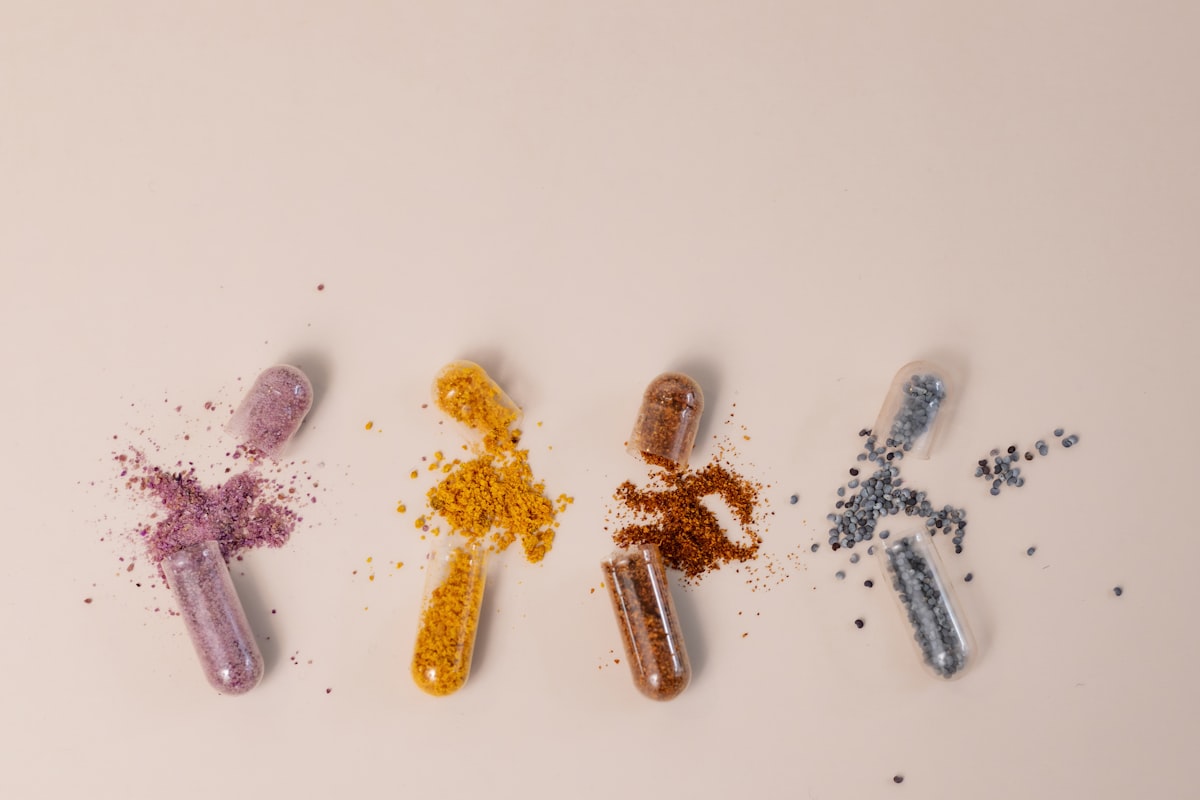
Take 2 capsules daily with water, in the morning. The timing isn't arbitrary, and it's worth understanding why.
NAD+ metabolism follows a circadian rhythm. Mitochondrial activity peaks during daylight hours, and NAD+ synthesis is partly controlled by the same clock genes that regulate your sleep-wake cycle. Taking your supplement in the morning, when your body is ramping up energy production, puts the dose where it's most useful. Researchers studying circadian NAD+ dynamics have noted that morning dosing may produce better utilization than evening.
With or without food is a personal call. The formula works either way. If you notice any mild GI sensitivity, which can happen occasionally with polyphenols like quercetin and resveratrol, taking it with breakfast usually clears it up.
What matters most is showing up daily. Human NAD+ elevation studies show measurable increases in intracellular NAD+ require 4 to 8 weeks of consistent use. Day three won't tell you much. The clinical protocols that showed significant elevation ran for 4 to 12 weeks, with the biggest gains appearing in weeks 4 through 8. Give it 30 days. Then evaluate.
Exercise, quality sleep, and caloric moderation all support NAD+ metabolism on their own. The triple-stack formula works best alongside those habits, not as a replacement for them.
Frequently Asked Questions
Can you take quercetin with NAD+ every day?
Yes, daily use is backed by clinical evidence. Studies on NAD+ supplementation have run daily protocols for 8 weeks or longer without significant adverse events. At 250mg, quercetin sits well within the safe range used in human research. The benefits of both compounds build over time. Sporadic dosing won't get you there. Most protocols don't show meaningful results before the 4-week mark.
Does quercetin increase NAD+ levels?
Quercetin doesn't directly synthesize NAD+, but it raises NAD+ availability by inhibiting CD38, the enzyme responsible for NAD+ degradation inside cells. A 2023 study in Nutrients (Sharma et al., PMC9861325) describes quercetin as a "potent CD38 inhibitor to maintain the integrity of NAD+ stores." Less breakdown equals more NAD+ available for mitochondria and sirtuins, without requiring your body to ramp up synthesis.
What is the best combination to take with NAD+?
The research-supported answer is quercetin and resveratrol. Quercetin protects the NAD+ pool from enzymatic breakdown via CD38 inhibition, while resveratrol directly activates SIRT1, the longevity protein that uses NAD+ as its primary cofactor. Each covers a different part of the same cellular pathway. That's the combination used in Soleu Nutrition's NAD+ formula.
Can you take NAD+ and resveratrol together?
Yes, and the mechanisms are explicitly complementary. Resveratrol activates SIRT1 and other sirtuin proteins, and sirtuins require NAD+ as an essential cofactor to do their work, including DNA repair and mitochondrial regulation. The 2023 Nutrients review (Sharma et al.) found that combining NAD+-promoting compounds with resveratrol produced greater increases in cellular NAD+ than either compound alone, measured in both heart and skeletal muscle tissue.
How long does it take for NAD+ and quercetin to work?
Most clinical studies measuring intracellular NAD+ levels show measurable increases within 4 weeks of consistent daily supplementation. Subjective benefits, including improved energy, reduced fatigue, and mental clarity, are often reported by study participants within 2 to 4 weeks. Individual results vary based on baseline NAD+ levels, age, metabolic rate, and lifestyle factors like sleep quality and exercise frequency. Evaluating before the 30-day mark is premature.
Ready to Try the NAD+ Triple Stack?
Soleu Nutrition's formula puts NAD+ 500mg, Quercetin Dihydrate 250mg, and Resveratrol 98% 150mg into two HPMC veggie capsules. GMP-certified, third-party lab tested, 100% vegan, made in the USA.
30-day supply · 30-day money-back guarantee (unopened)
Shop NAD+ with Quercetin & Resveratrol →Sources
- Sharma A, Chabloz S, Lapides RA, Roider E, Ewald CY. "Potential Synergistic Supplementation of NAD+ Promoting Compounds as a Strategy for Increasing Healthspan." Nutrients. 2023. Retrieved 2026-06-28. PMC9861325
- Cleveland Clinic. "What You Should Know About NAD+ Supplements." Cleveland Clinic Health Essentials. Retrieved 2026-06-28. clevelandclinic.org
- "NAD+ supplementation for anti-aging and wellness: A PRISMA-guided systematic review." Ageing Research Reviews. ScienceDirect, 2026. Retrieved 2026-06-28. ScienceDirect